Understanding BPH — What Causes It?
Benign prostatic hyperplasia (BPH) — non-cancerous prostate enlargement — is the most common cause of lower urinary tract symptoms (LUTS) in men over 50. The prostate surrounds the urethra, and enlargement compresses the urinary channel, producing the characteristic symptoms: reduced flow, urgency, frequency, and nocturia (nighttime urination).
The primary driver of BPH is DHT (dihydrotestosterone) — a potent androgen produced from testosterone by the enzyme 5-alpha reductase (5-AR). DHT stimulates prostate cell proliferation. As men age, testosterone declines but estrogen and DHT ratios shift, creating a hormonal environment that favors prostate growth.
Saw Palmetto — The Most Studied Prostate Herb
Saw palmetto (Serenoa repens) is the most extensively studied natural compound for BPH, with a clinical database spanning over 3 decades and hundreds of trials.
Mechanism: Saw palmetto extract inhibits both types of 5-alpha reductase (5-AR1 and 5-AR2), reducing DHT production in prostate tissue. It also has anti-inflammatory properties through COX inhibition.
Key quality marker: Effective saw palmetto extracts are standardized to ≥85% fatty acids and sterols. Non-standardized whole berry preparations have inconsistent and generally lower efficacy. The extract form at 160–320mg per day is the evidence-based dose range.
Beta-Sitosterol and Plant Sterols
Beta-sitosterol is a plant sterol found in many fruits, vegetables, nuts, and seeds that has consistent clinical evidence for BPH symptom relief — often with stronger effect sizes than saw palmetto in head-to-head comparisons.
A Cochrane review of four randomized trials found that beta-sitosterol significantly improved urinary flow (peak flow increased by 3.9 mL/s on average vs placebo) and reduced post-void residual volume.
Pygeum africanum similarly contains beta-sitosterol alongside specific phytosterol esters and has multiple positive clinical trials for BPH symptoms. The combination of saw palmetto + pygeum + beta-sitosterol represents the most evidence-backed natural BPH protocol available.
Emerging Research on Iodine and Marine Botanicals
A growing body of research suggests that iodine — essential for thyroid function — also plays a role in prostate health that has been historically overlooked. Prostate tissue contains iodine receptors and iodine-metabolizing enzymes. Iodine influences apoptosis (programmed cell death) in prostate cells — the regulatory mechanism that controls cell population size.
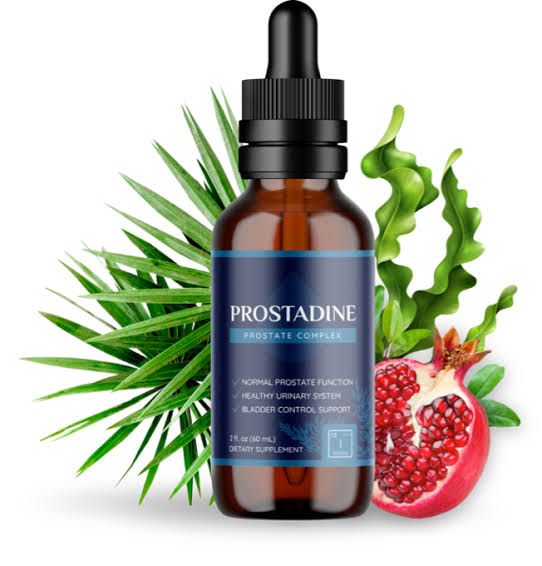
Epidemiological data from Japan — where seaweed consumption provides dietary iodine intakes 10–20x higher than Western countries — suggests that prostate problems are significantly less prevalent. This has driven research interest in iodine-rich marine botanicals (nori, wakame, kelp) as potential prostate health ingredients, reflected in Prostadine's formulation.
How to Evaluate a Prostate Supplement
1. Saw palmetto standardization: Look for 'standardized to 85% fatty acids and sterols.' Unstandardized whole berry powder has inconsistent efficacy.
2. Beta-sitosterol content: Either from standardized saw palmetto extract or as an additional standalone ingredient. More phytosterol content generally correlates with better clinical outcomes.
3. Anti-inflammatory compounds: Prostate inflammation contributes to BPH symptoms independently of DHT. Look for pumpkin seed extract, quercetin, or stinging nettle.
4. Guarantee length: BPH symptoms change slowly. Meaningful symptom improvement from supplementation takes 8–12 weeks. Choose products offering at least 60 days, preferably 90+.