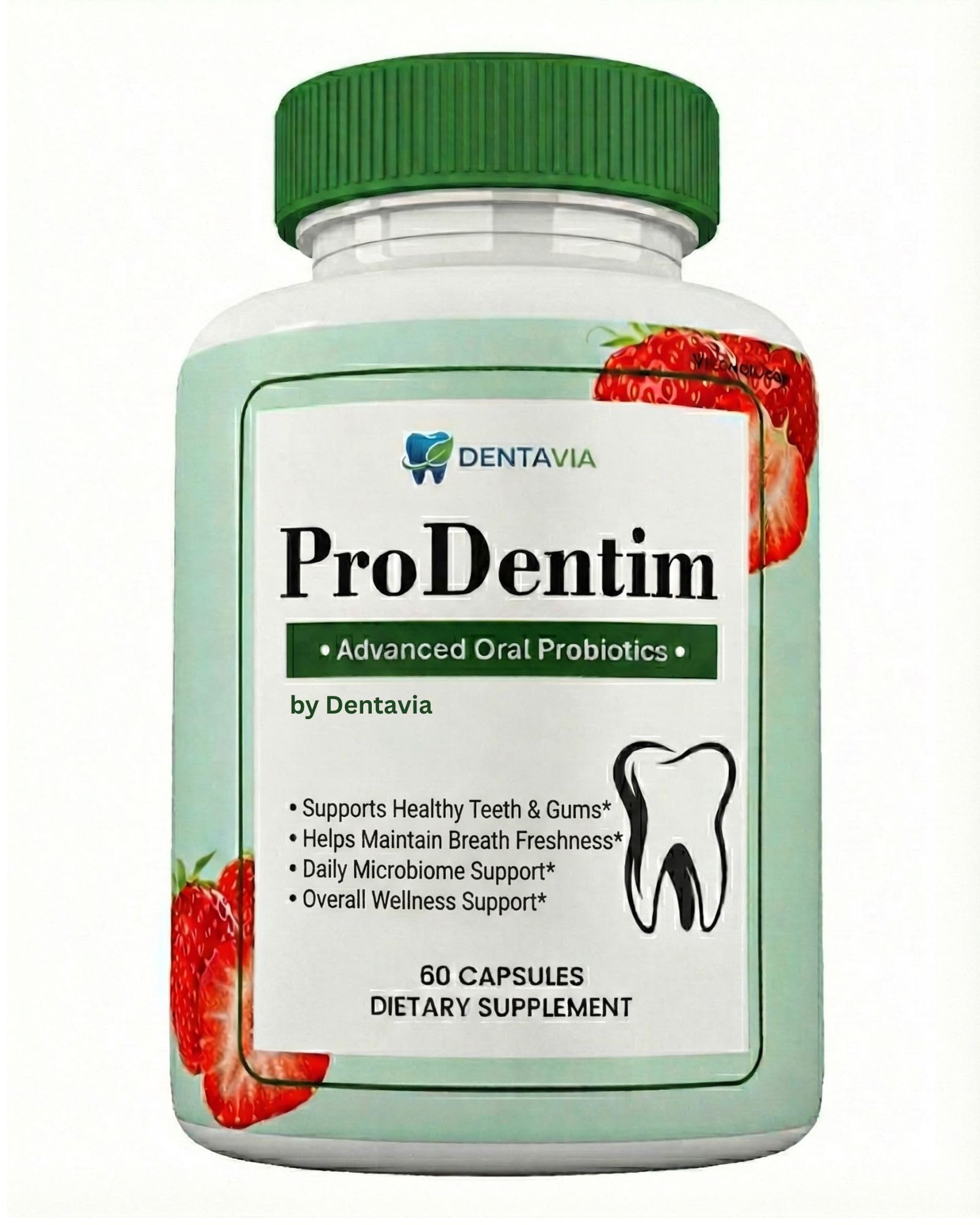
What Is the Oral Microbiome?
The oral microbiome is the community of microorganisms that colonize the mouth. In a healthy individual, this community is dominated by beneficial species that produce compounds inhibiting pathogen growth, maintain a neutral pH, and form protective biofilms on tooth surfaces.
Disruption of this community — through antibiotics, antiseptic mouthwash overuse, poor diet, or stress — allows pathogenic species to overgrow. Streptococcus mutans (primary cavity-causing bacteria), Porphyromonas gingivalis (key driver of gum disease), and anaerobic species that produce volatile sulfur compounds (primary cause of bad breath) all proliferate when the beneficial community is depleted.
The traditional approach — antiseptic mouthwashes, antibacterial toothpastes — eliminates bacteria indiscriminately. This is effective short-term but disrupts the beneficial community alongside the harmful one, often leading to rebound overgrowth of pathogenic species within days.
How Oral Bacteria Cause Dental Problems
Cavities (Dental Caries): Streptococcus mutans metabolizes dietary sugars and produces lactic acid as a byproduct. This acid dissolves the hydroxyapatite mineral in tooth enamel, creating cavities. In a balanced microbiome, competing bacterial species inhibit S. mutans growth and produce alkaline compounds that buffer pH.
Gum Disease (Gingivitis/Periodontitis): Pathogenic bacteria in gum pockets release toxins that trigger an inflammatory immune response. This inflammation causes the tissue destruction characteristic of periodontitis. Chronic gum inflammation is also associated with cardiovascular disease and diabetes.
Bad Breath (Halitosis): Anaerobic bacteria in the back of the tongue metabolize sulfur-containing amino acids, producing hydrogen sulfide and methyl mercaptan — volatile sulfur compounds that produce the characteristic odor. Mouthwash masks VSCs temporarily but doesn't address the bacterial source.
How Oral Probiotics Work
Oral probiotics introduce beneficial bacterial strains to the oral cavity with the goal of competitive exclusion — crowding out pathogenic species by occupying the same ecological niches. The mechanism differs from gut probiotics in one critical way: delivery format matters enormously.
Swallowed capsules pass through the oral cavity too quickly for significant colonization. Chewable tablets — like ProDentim's format — dissolve slowly in the mouth, extending contact time between probiotic bacteria and oral tissue.
Once established, beneficial oral bacteria produce bacteriocins (natural antimicrobial compounds) that inhibit pathogen growth, hydrogen peroxide at low concentrations that selectively kills anaerobes, and alkaline metabolites that buffer oral pH and reduce acid erosion.
The Evidence for Specific Probiotic Strains
Lactobacillus Paracasei: The most studied oral probiotic strain. Multiple randomized controlled trials demonstrate reductions in Streptococcus mutans counts, improvements in gum health parameters, and reduced plaque scores.
Lactobacillus Reuteri: Produces reuterin, a naturally occurring antimicrobial that selectively inhibits gram-negative pathogenic bacteria without significantly affecting beneficial species. Clinical trials demonstrate reduced gingivitis scores.
Bifidobacterium lactis BL-04® (Patented): A clinically validated strain with documented immunomodulatory effects. Helps modulate the oral immune response, reducing the inflammatory overreaction that drives tissue destruction in periodontitis.
What to Look for in an Oral Probiotic
Named strains, not just species: 'Lactobacillus reuteri' describes the species. 'Lactobacillus reuteri DSM 17938' identifies the specific clinically validated strain. Generic species names without strain identifiers suggest the product may not use the researched strains.
CFU count: Clinical trials on oral probiotics typically use doses of 100 million to 1 billion CFU. Products with 3.5 billion CFU ensure adequate colonization.
Chewable or lozenge format: Swallowed capsules are largely ineffective for oral colonization. The supplement needs to dissolve in the mouth.
Prebiotic inclusion: Inulin and other prebiotic fibers feed the probiotic bacteria and help them establish. Supplements that include a prebiotic alongside the probiotic strains are more effective.