What 'Boosting Metabolism' Actually Means
Metabolism refers to the sum of all chemical reactions in the body that produce or consume energy. Your total daily energy expenditure (TDEE) has three components: basal metabolic rate (BMR, ~60–70%), thermic effect of food (TEF, ~10%), and physical activity (~20–30%).
When people talk about 'boosting metabolism,' they typically mean increasing BMR or TEF. The measurable effects of most metabolic foods are real but modest: typically 3–11% increases in metabolic rate lasting 1–3 hours. Compounded over months of consistent use, these effects become meaningful.
The key insight is that metabolic enhancement is most effective when stacked: multiple compounds with complementary mechanisms produce additive effects. A cup of coffee (caffeine) combined with green tea extract (EGCG) produces meaningfully greater thermogenesis than either alone.
Foods With Genuine Metabolic Evidence
Protein (any source): Has the highest thermic effect of any macronutrient — 25–30% of calories consumed as protein are used in digestion and processing, versus 6–8% for carbohydrates and 2–3% for fat.
Coffee and Caffeine: The most studied natural thermogen. Caffeine increases metabolic rate by 3–11% for up to 3 hours post-consumption, primarily through sympathetic nervous system activation and increased norepinephrine.
Green Tea: EGCG catechins inhibit the enzyme COMT, preventing norepinephrine breakdown and extending the metabolic effect of caffeine. The combination consistently outperforms either alone in clinical trials.
Cayenne Pepper (Capsaicin): Activates TRPV1 receptors, triggering thermogenesis and transiently increasing metabolic rate by 4–5%. Also reduces appetite in short-term studies.
Apple Cider Vinegar: Acetic acid shows modest effects on postprandial glucose and insulin response, potentially reducing fat storage from high-carbohydrate meals.
Compounds That Enhance Supplement Results
Chlorogenic Acid (Green Coffee): Reduces glucose absorption from the small intestine and enhances hepatic fat oxidation. Most effective when combined with caffeine in the morning — the mechanism behind FitSpresso's morning protocol.
L-Carnitine: Found naturally in red meat, carnitine transports long-chain fatty acids into the mitochondria for oxidation. Most effective when combined with compounds that increase fatty acid mobilization (caffeine, EGCG).
Berberine: Activates AMPK at the cellular level — the same pathway targeted by the diabetes drug metformin. Effects on fat metabolism and blood sugar are among the most robustly evidenced of any natural compound.
The Caffeine Question
Caffeine deserves special attention because it is simultaneously the most effective natural metabolic enhancer available and the most easily misused.
The thermogenic and fat-oxidizing effects of caffeine are dose-dependent (3–6mg per kg body weight is the effective range), time-dependent (morning use aligned with cortisol peak maximizes effect), and tolerance-dependent (daily use blunts effects within 2–3 weeks).
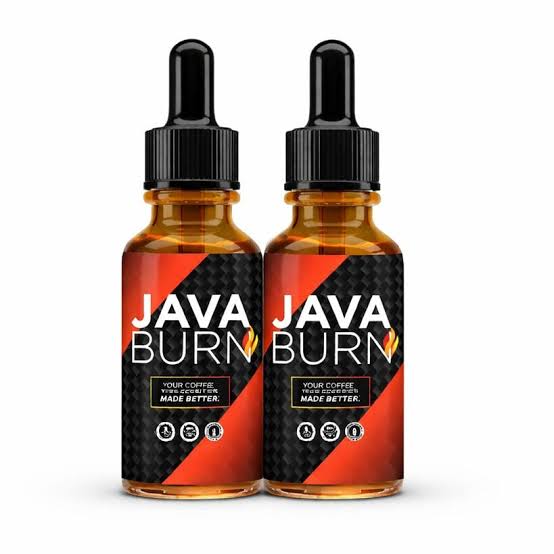
This explains why coffee-synergy formulas like Java Burn and FitSpresso are designed to enhance the metabolic effect of your existing coffee habit rather than add more caffeine on top of it. By combining caffeine with EGCG and L-carnitine, these formulas extend the duration and magnitude of the metabolic window that follows morning coffee consumption.
A Practical Daily Approach
Morning: Coffee or tea with a coffee-synergy supplement (Java Burn or FitSpresso) within 30 minutes of waking. Or a liver-support formula like LivPure before breakfast if your weight gain correlates with fatigue.
Meals: Prioritize protein at every meal. Add cruciferous vegetables for liver support. Include cayenne in at least one meal.
Hydration: Adequate water intake supports liver function and reduces the metabolic slowdown associated with mild dehydration.
Evening: Avoid large carbohydrate meals within 2–3 hours of sleep. Growth hormone secretion during sleep is suppressed by high insulin levels, reducing overnight fat oxidation.